
15 years of native business apps!
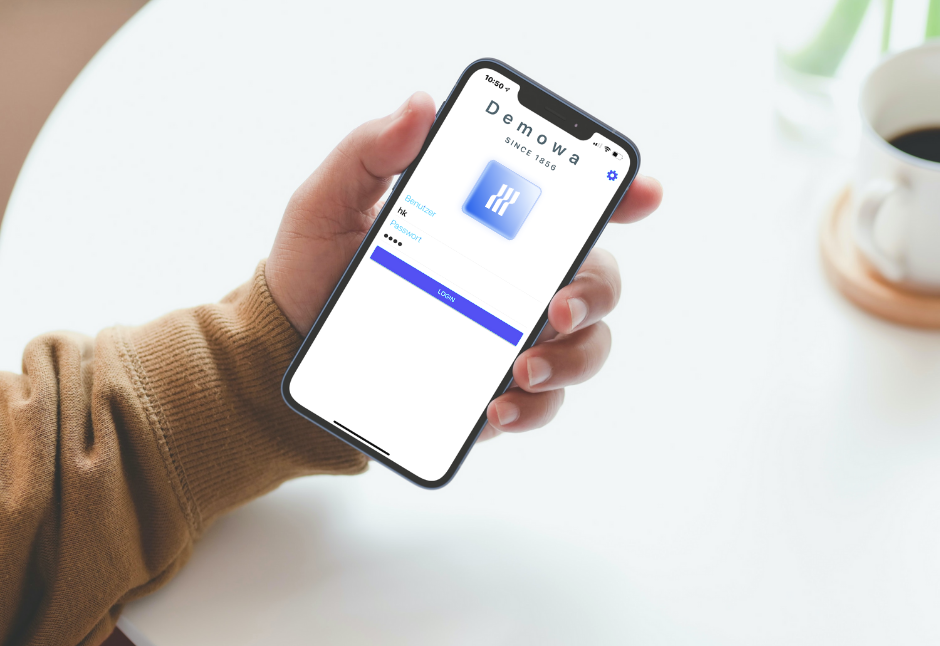
Now that we’ve reached 2025, we have a few anniversaries to celebrate. Here’s a look back at our history.
The roots of the flexmobility platform date back to 2005. At that time, the aim was set to create a fully configurable mobile business solution capable of interacting with various third-party systems (ERP, DMS, PLM, etc.). As customer requirements are rarely identical, pre-designed and static applications often struggle to meet them. This led to the creation of pocket-IS, the predecessor of today’s flexmobility platform. pocket-IS quickly gained widespread popularity as it met the need for unlimited customisation and adaptability to users’ processes.
The client-side technology at the time was based on a web app, which, however, reached its limits as complexity increased and user requirements grew. In 2009, the decision was therefore taken to develop a completely new platform for creating native business apps. This was to offer all the valued features of its predecessor, but without the drawbacks of a web app. This decision was arguably the most important step in the company’s development and success.
The ability to create native business apps through configuration, which can also be used on all operating systems with a single codebase, delivered numerous benefits. This made it possible to overcome the technical problems and challenges of web apps whilst integrating the few advantages they offered.
We would therefore like to present to our readers the key benefits of our platform for creating native business apps:
Performance and user experience
One of the biggest advantages of native apps is their superior performance compared to web apps. Native apps are developed and optimised specifically for the relevant operating system, resulting in significantly better performance. This means that applications are faster and more responsive, thereby offering an improved user experience. In the case of the flexmobility platform, this was particularly important, as the platform supports complex business processes and requires high performance to handle them efficiently.
Access to hardware and operating system functions
Native apps have direct access to the hardware and operating system functions of the device on which they are installed. This enables deeper integration and the use of features such as GPS, the camera, notifications and other sensors. For flexmobility platform, this meant that the app was able to offer advanced features that would be difficult or impossible to implement in web apps. These features were crucial for meeting customer needs and gaining a competitive advantage.
Offline functionality
Another key advantage of native apps is their ability to function even without an internet connection. This was particularly important in a business environment, where employees may not always have access to a stable internet connection. Native apps can store data locally on the device and synchronise it as soon as a connection is re-established. This enabled the flexmobility platform to ensure the continuous availability of its services and boost its customers’ productivity.
Safety
Native apps offer significantly higher security than web apps. As they run directly on the device and are distributed via official app stores, they can undergo rigorous security checks and benefit from the operating system’s security features. This was particularly important for the flexmobility platform, as the platform processes sensitive business data and therefore had to ensure a high level of security. The switch to a native app made it possible to close security gaps and improve the protection of their customers’ data.
Support from operating systems and app stores
By deciding to develop a native app, flexmobility platform was also able to benefit from the support provided by operating systems and app stores. This includes regular updates, improved compatibility with new generations of devices, and access to a wide distribution network via the app stores. The support provided by the app stores also made it easier to distribute and market the app, leading to increased visibility and reach.
Overcoming technical issues with web apps
Web apps often face various technical issues that affect their performance and user-friendliness. These include slow loading times, limited access to hardware functions and restricted offline functionality. By switching to a native app, flexmobility platform was able to overcome these issues and offer its users a more stable and powerful solution. This was crucial in meeting customer requirements and holding its own in a highly competitive market.
Conclusion
The decision to become a native business app in 2009 was a major milestone for flexmobility platform. It enabled the platform to overcome the technical limitations of web apps and offer a more powerful, secure and user-friendly solution. This transition laid the foundation for the platform’s long-term success and played a key role in ensuring that flexmobility platform is now recognised and valued worldwide. Even in 2025, native apps will still be able to outperform web applications many times over, particularly in areas where reliability and performance are paramount. The success of flexmobility platform speaks for itself.